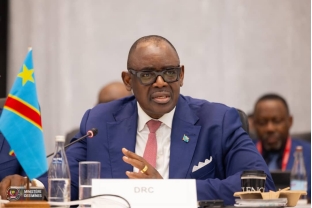
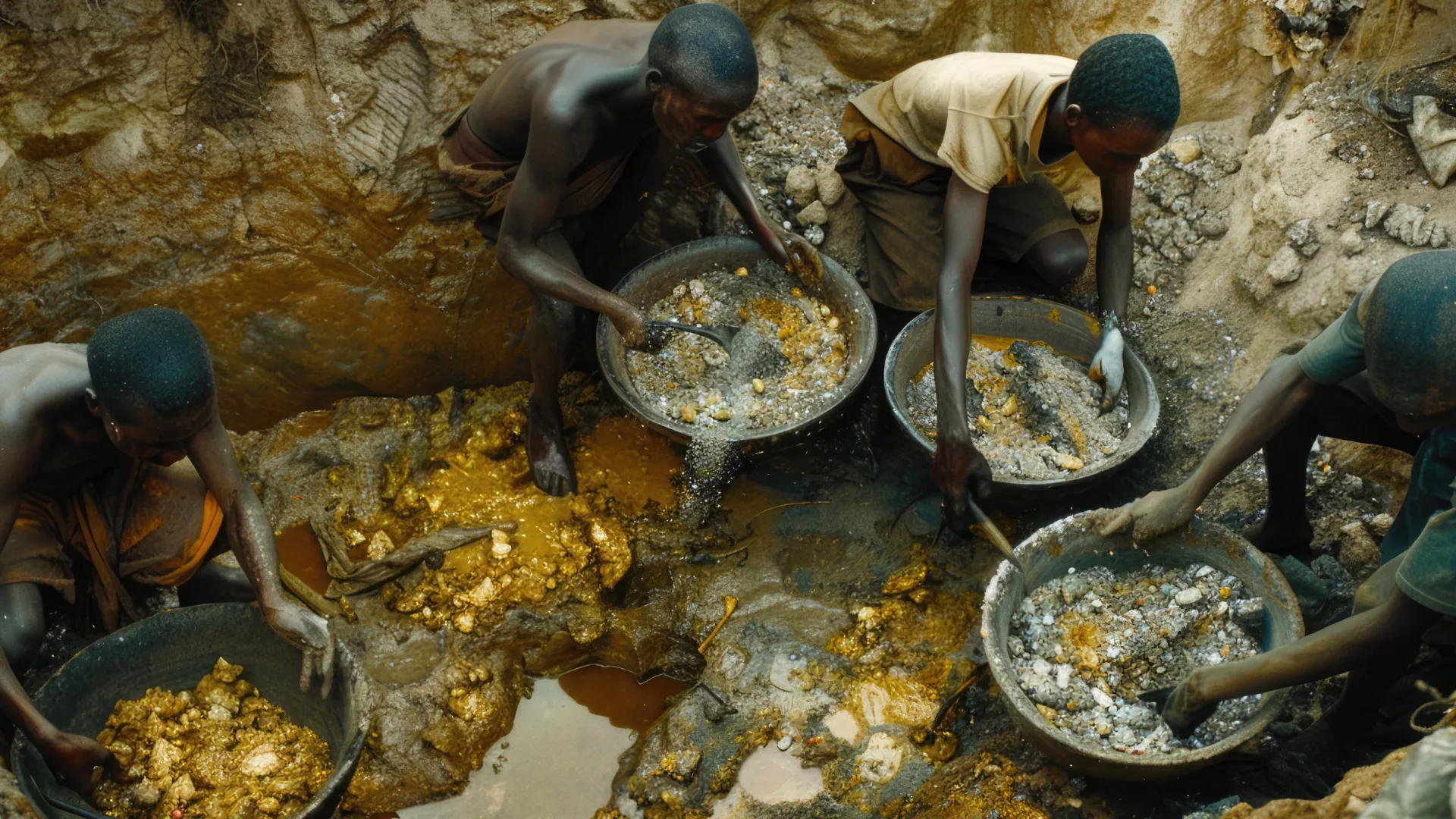
Under the leadership of Minister Louis Watum Kabamba, the DRC Ministry of Mines stepped up initiatives in 2026 to attract investment, strengthen traceability and increase local added value.
1. Infrastructure and corridors: the MIFOR project
Presented at Mining Indaba in February, the Mines de fer de la Grande Orientale (MIFOR) iron ore project aims to support transport infrastructure linking the north-east to the south-east of the country and connecting the Atlantic and Indian Ocean seaboards, with a corridor to the port of Banana complementing the Lobito corridor. Talks have begun with several African financial institutions (TDB, Standard Bank, DBSA, PIC).
2. Formalising artisanal mining
On 6 July 2026, the minister reviewed the certification and formalisation schemes for artisanal mining. Formalisation involves grouping diggers into cooperatives operating in artisanal mining zones (ZEA). Announced priorities: systematic mapping of sites, simplified registration procedures for cooperatives and ZEAs, and financial support to obtain certifications.
3. Gold traceability
A framework agreement signed on 19 February 2026 launched the AXIS programme and the GOLDCONNECTinitiative, focused on governance, traceability and structuring the artisanal gold sector.
4. Local added value
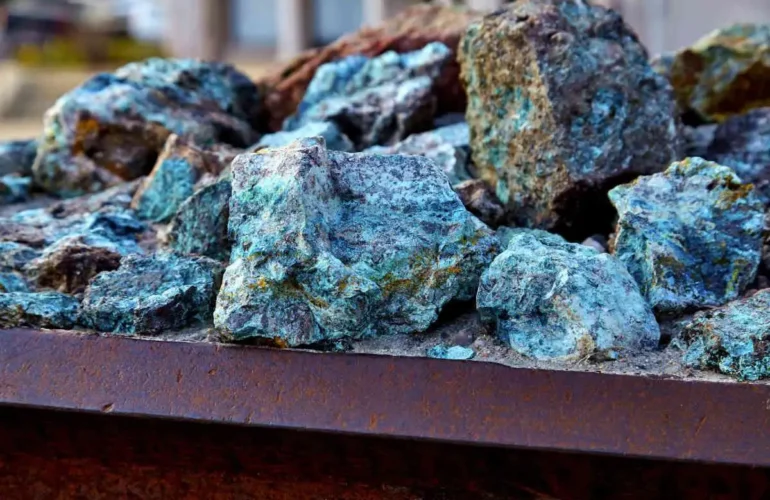
Cobalt export quotas and the ban on exporting copper and cobalt concentrates follow the same logic: making the DRC a player in processing, not just extraction.
Photo credit: Capmad
Featured image: Capmad
Sources: ACP – Presentation of the MIFOR project • Capmad – Kinshasa tightens regulations on artisanal mining • AllAfrica – Mining Indaba 2026