
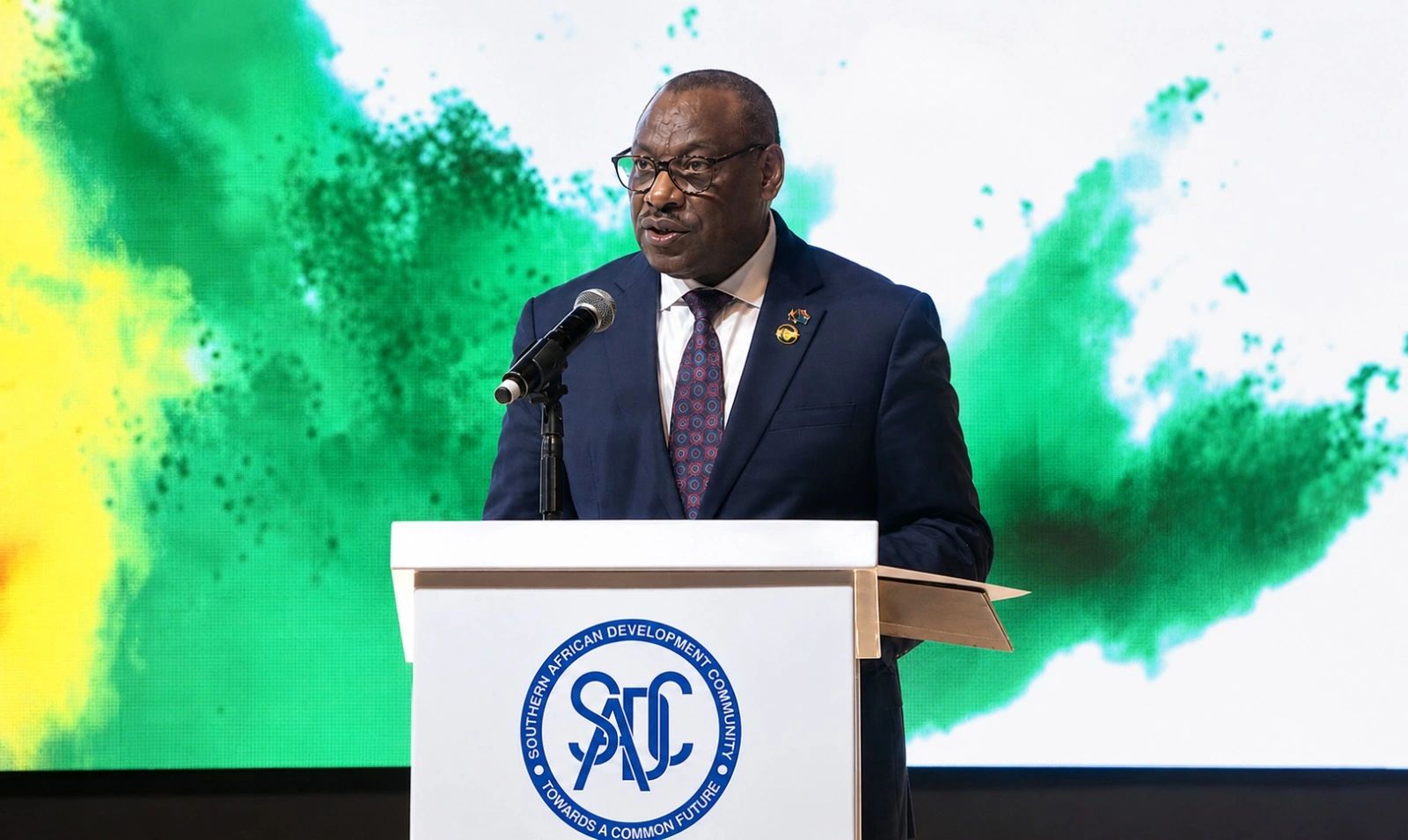
Holding the world's largest cobalt reserves and a major copper producer, the DRC has for several years aimed to move up the electric vehicle battery value chain. In August 2026, the issue returned to the centre of debate at the 46th SADC summit in Durban.
A regional rather than national chain
The Executive Secretary of the United Nations Economic Commission for Africa (ECA), Claver Gatete, is calling for minerals to be processed on the continent, with production stages shared among several southern African countries. For batteries, the axis mentioned links the DRC, Zambia, Tanzania and South Africa : refining, precursor manufacturing, components, assembly and logistics would be distributed among these countries, with the DRC mainly supplying cobalt and copper.
Competitive costs
According to an ECA economic estimate, a plant producing 10,000 tonnes of battery precursors per year in the DRC would cost around US$39 million, nearly three times less than a comparable facility in the United States. This is an estimate, not an announced plant project.
Prerequisites: power and corridors
The Lobito corridor (Angola–DRC–Zambia) and the Southern African Power Pool are presented as essential conditions, particularly for power and transport. This work builds on the framework agreement signed in 2023 between the DRC and Zambia, with support from Afreximbank and the ECA, to study cross-border special economic zones dedicated to batteries, as well as the battery research centre of excellence hosted by the University of Lubumbashi.
Photo credit: LePoint.cd
Featured image: LePoint.cd
Sources: LePoint.cd – ECA places the DRC in a regional battery value chain (17 August 2026) • Classe Export – DR Congo moves towards a battery industry